Batteries are among the most valuable and heaviest components in battery-electric vehicles.
Finding a smart way to keep this precious resource in circulation is a key lever for driving the
sustainable transformation of transportation. This is exactly what the TRATON GROUP is working on.
Scroll to explore
1. Raw material
Primary raw materials such as lithium, nickel, and cobalt are extracted
from natural sources and potentially supplemented by secondary raw materials
from recycling. The aim is to continuously increase the proportion of recycled
materials and conserve resources.
2. Cell production
The raw materials are used to manufacture battery cells, whose chemical
composition, quality, and safety are precisely controlled. Efficient processes
and sustainable energy use could reduce the ecological footprint.
3. Pack production
The individual cells are assembled into modules and high-voltage battery packs
and equipped with electronics, cooling, and housing. The pack is precisely tailored
to the requirements of the vehicle.
4. First life
In the vehicle, the high-voltage battery supplies energy for the
electric drive for many years. Performance, safety, and range are
the focus in this phase.
5. Battery repair
Some defective or aged components can be repaired or replaced to
extend the batteryʼs service life. This reduces costs and
conserves resources.
6. Battery return
If the battery is no longer suitable for use in the vehicle, it is returned and
professionally evaluated. A decision is then made as to whether it will be reused,
given a second life, or recycled.
7. Reuse
After testing, batteries or individual modules could potentially be reused in the vehicle or
in comparable applications. The prerequisite is that they continue to meet the technical
and safety-related requirements.
8. Second life
The battery is converted for new applications such as stationary energy storage.
This allows its remaining capacity to be put to good use and significantly extends
its overall service life.
9. Mechanical separation
The battery packs are discharged, dismantled, shredded, and separated into different
material fractions such as metals, plastics, and the black mass. This step prepares the
materials for further recovery.
10. Hydrometallurgy
Materials such as lithium, nickel, and cobalt are chemically extracted from the black mass.
They have to meet high quality standards and could then be fed back into battery production,
effectively closing the material loop.
At a glance: Closed loop approach for HV batteries
The transportation industry is changing rapidly: by 2040, 90% of all newly registered
trucks and buses worldwide are expected to be battery-electric, according to the study “Battery-electric
trucks on the rise” by Strategy&, PwCʼs global strategy consulting arm. But what happens to all these batteries
when they reach the end of their service life? The brands of the TRATON GROUP Scania, MAN, International und
Volkswagen Truck & Bus are pursuing a circular approach that offers not only ecological but also economic potential.
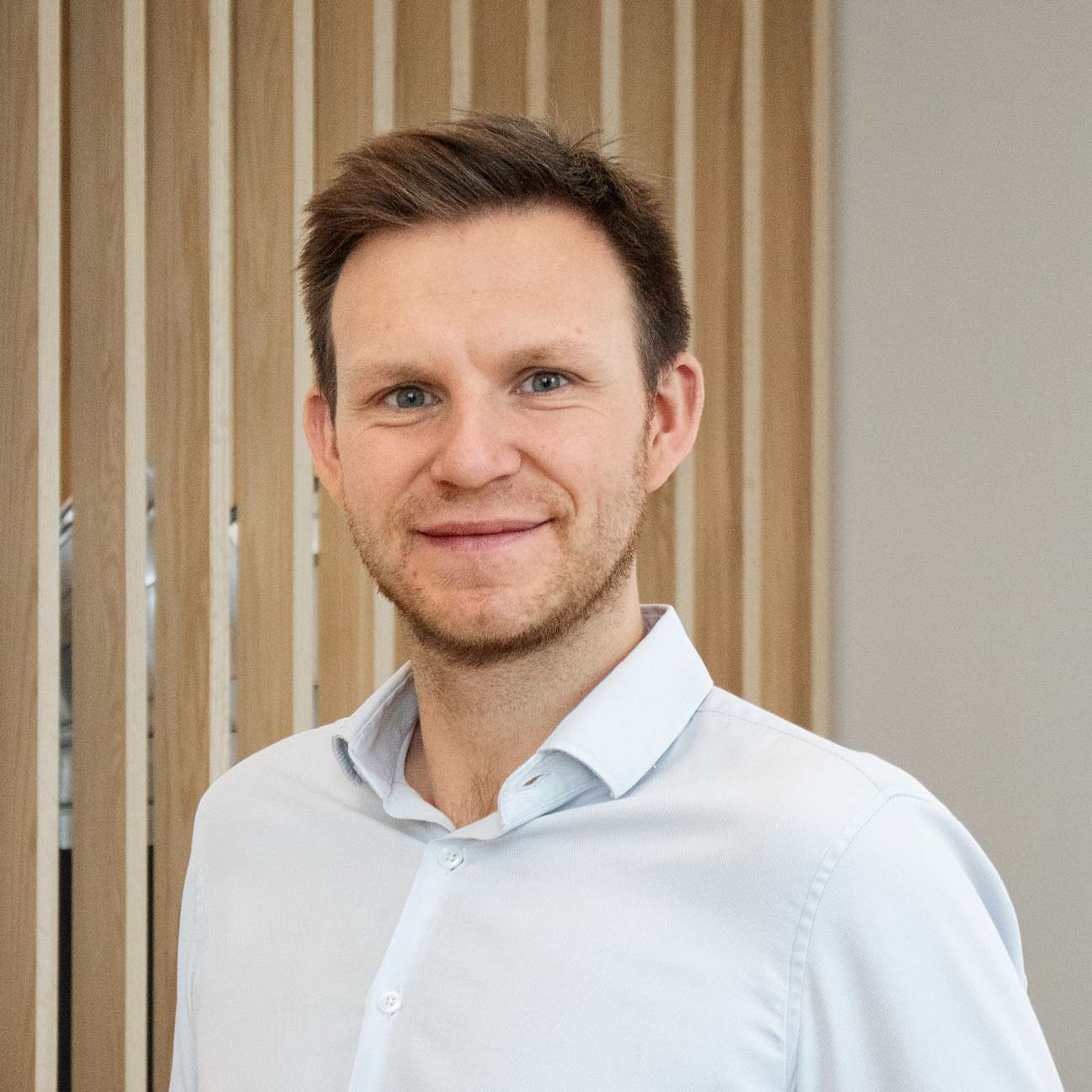
“We want to position ourselves early on in this field,” says Leo Thieroff, Strategic Project Manager at TRATON SE.
“We are striving for a closed loop. Thatʼs why we look at our batteries holistically.”
Three dimensions – the life cycle of a high-voltage battery
The life cycle of a high-voltage (HV) battery typically consists of
first life, second life, and recycling:
First Life: The battery is utilized in a vehicle; during this use phase,
it might be repaired and reused in the vehicle. When the batteryʼs state of health no longer
meets the requirements for use in trucks or buses and further repair is either no longer
feasible or cost-effective, the battery enters its second life.
Second Life: If suitable, the battery can begin a second phase of use, for
example in a vehicle with lower range requirements like industrial trucks and forklifts.
It can also be repurposed — for instance, as a Battery Energy Storage System (BESS) that
provides renewable-energy storage for fast-charging stations or mobile charging.
Recycling: At the end of its second life, the battery enters the recycling process.
“We are striving for a closed loop. Thatʼs why we look at our batteries holistically.”
Leo Thieroff, Strategic Project Manager TRATON SE
The perfect combination for efficient recycling
“There are several ways to recycle batteries,” Thieroff explains. “The most
efficient solution is mechanical recycling combined with hydrometallurgy — chemical
separation — to reach a high recycling rate and reclaim the valuable active materials
inside the battery cells.”
Here is how it can work: The battery is discharged and dismantled into its modules.
Afterwards, these modules are shredded and dried; plastics and certain metals like
aluminum and copper can be separated from the valuable materials. The resulting product
is referred to as black mass: a metal-graphite mixed powder from which secondary materials
such as lithium, nickel, and cobalt can be recovered through chemical separation and
extraction in hydrometallurgical processes.
Copyright: Volkswagen Group
A sustainable approach offers many advantages
“Recycling can make sense for several reasons,” says Thieroff.
– Ecological: Recovery rates are high and recycled secondary materials can
be used for building cathodes for new batteries — under the current assumption that there are
no quality losses compared to new batteries. They also reduce dependency on mining and contribute
to the Group’s sustainability strategy, decoupling resource use from business growth, as they will
be reused in HV batteries. In addition, they offer a potential opportunity to lower the carbon
footprint compared to batteries purely from primary materials, thereby possibly supporting climate
protection efforts and leading to lower emissions in our supply chain.
– Economic: Recycling processes are efficient, and recovered materials could
potentially have significant value. Given the density of high-value raw materials in old batteries,
recycling could well prove to be more cost-efficient than mining beyond a certain base scale. The economic
potential is currently being assessed. Recycling also enhances supply security as keeping materials in
circulation reduces geopolitical risks and price fluctuations.
– Regulatory: The revised EU Battery Regulation, effective August 2025, sets ambitious
requirements. A central element: mandatory recycled content quotas. By 2031, all batteries newly placed
on the market are required to contain at least 16% recycled cobalt, 6% recycled nickel, and 6% recycled lithium.
The closed loop is still a vision for the future, but the direction is clear. The Group and its brands
are already working together to prepare for the time when large numbers of batteries reach the end of
their life and need to be recycled or reused. “The TRATON GROUP is conscious of this topic and I think
that is extremely important,” says Thieroff. “Setting long-term ambitions and pursuing them
consistently — that is what commitment means to me.”
Battery recycling for our brands
Maximizing value through reuse
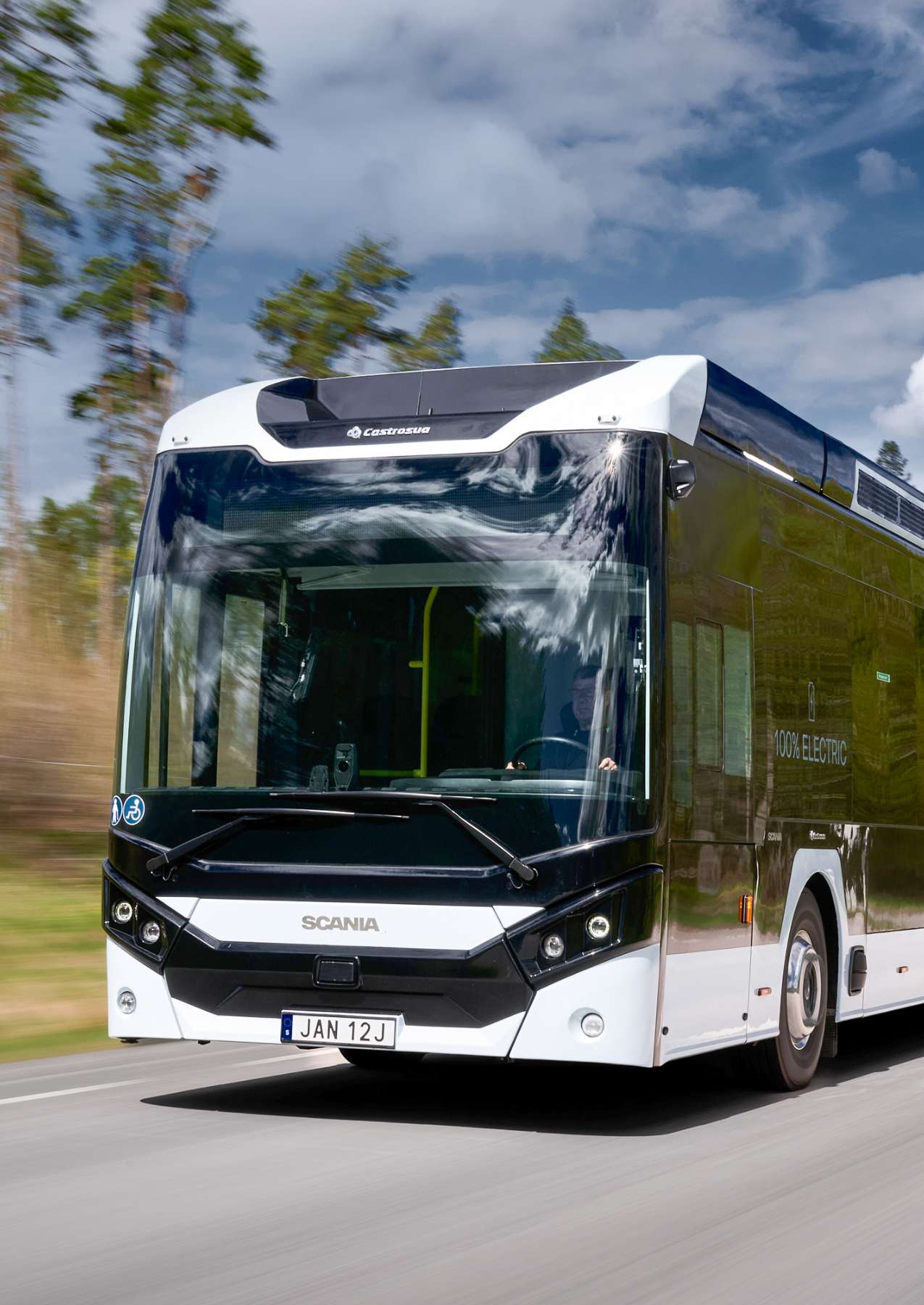
Reuse is the first step in the circular economy, and Scania applies it across its operations.
One example is the mid-life renovation of hybrid electric city buses for a transport operator in
Sweden. The reused batteries are matched to each vehicle’s remaining lifetime. After vehicle use,
batteries can serve in Battery Energy Storage Systems (BESS) for grid stability. Scania also
partners with a Nordic recycler, although all discarded batteries last year were successfully repurposed for BESS.
Battery packs from own production
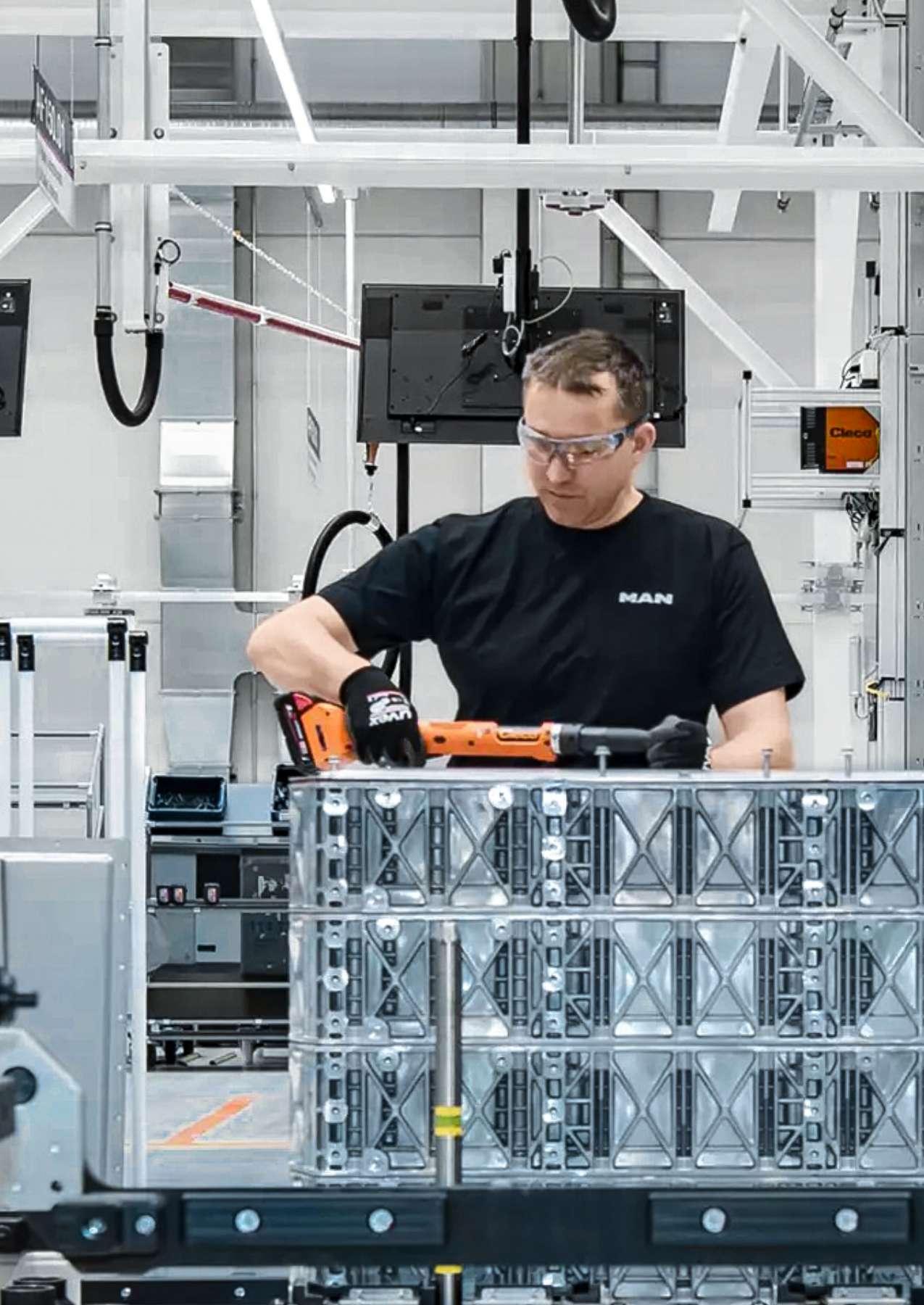
A milestone for MAN was opening its Nuremberg plant after a €100 million investment,
producing up to 100,000 battery packs annually. Repairing and reconditioning the battery
are key elements of the Battery Closed Loop strategy and MANʼs sustainability strategy.
The diagonal capability of the battery and its economic dismantling are essential for this purpose.
The overarching goal is to establish a closed loop for the batteries. Important milestones in this
battery cycle are, after the first use in the vehicle, a further use in the vehicle (second use)
or in another application (second life).
Full focus on first life
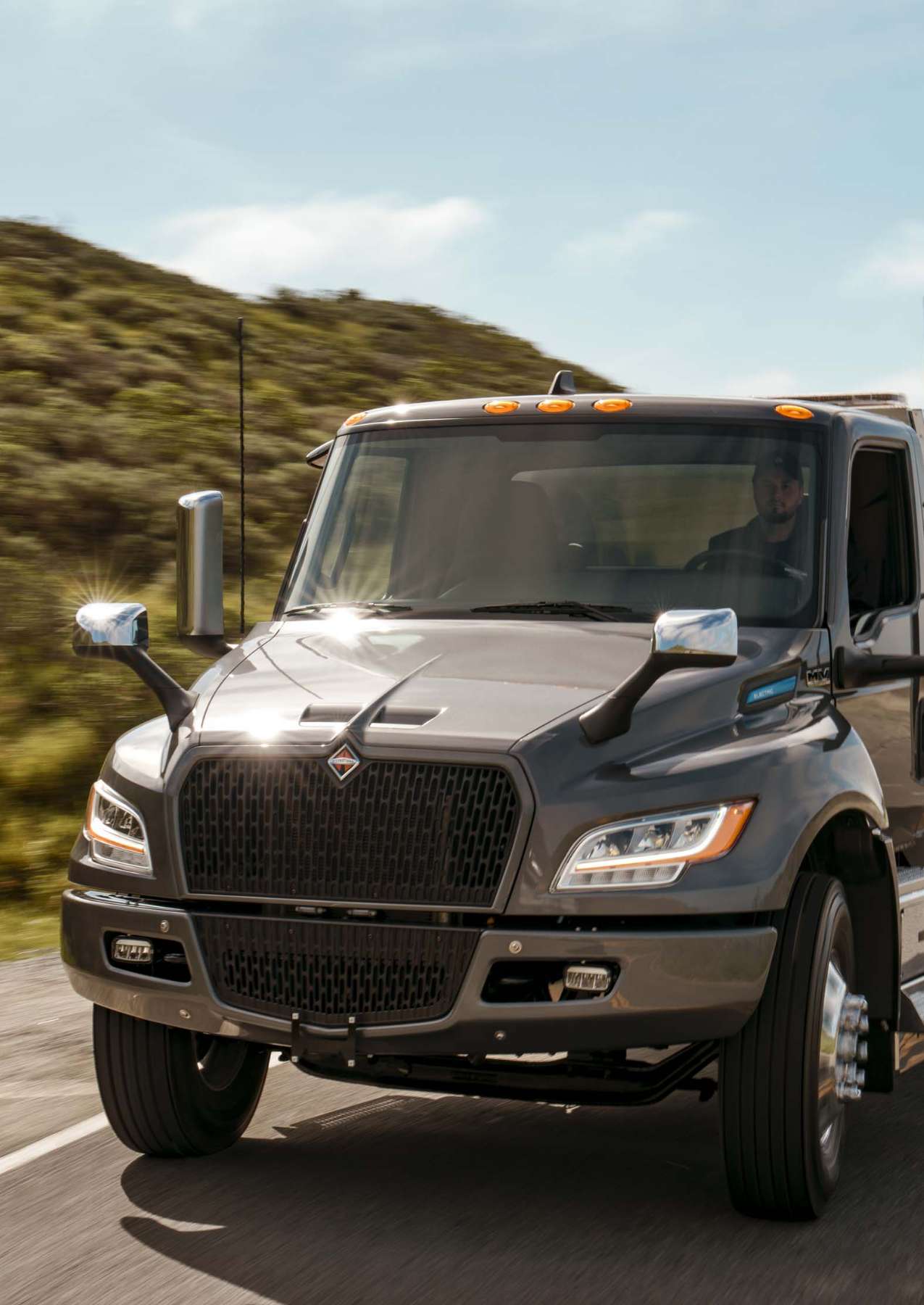
International aims to keep batteries in first life. With its IC Bus eCE electric school
buses and eMV electric medium-duty trucks, it has nearly 11,000 batteries on the market,
achieving a very low failure rate of just 1.2%. Failed units are collected for processing.
In the last two years, 23 remanufactured batteries have been returned to the market, extending
first life and saving costs (USD 8,000 per battery). When reconditioning is impossible, batteries
are recycled, ensuring valuable materials are recovered and reintegrated into production.
Strong partnerships – smart solutions
Volkswagen Truck & Bus collaborates with innovative partners to develop sustainable
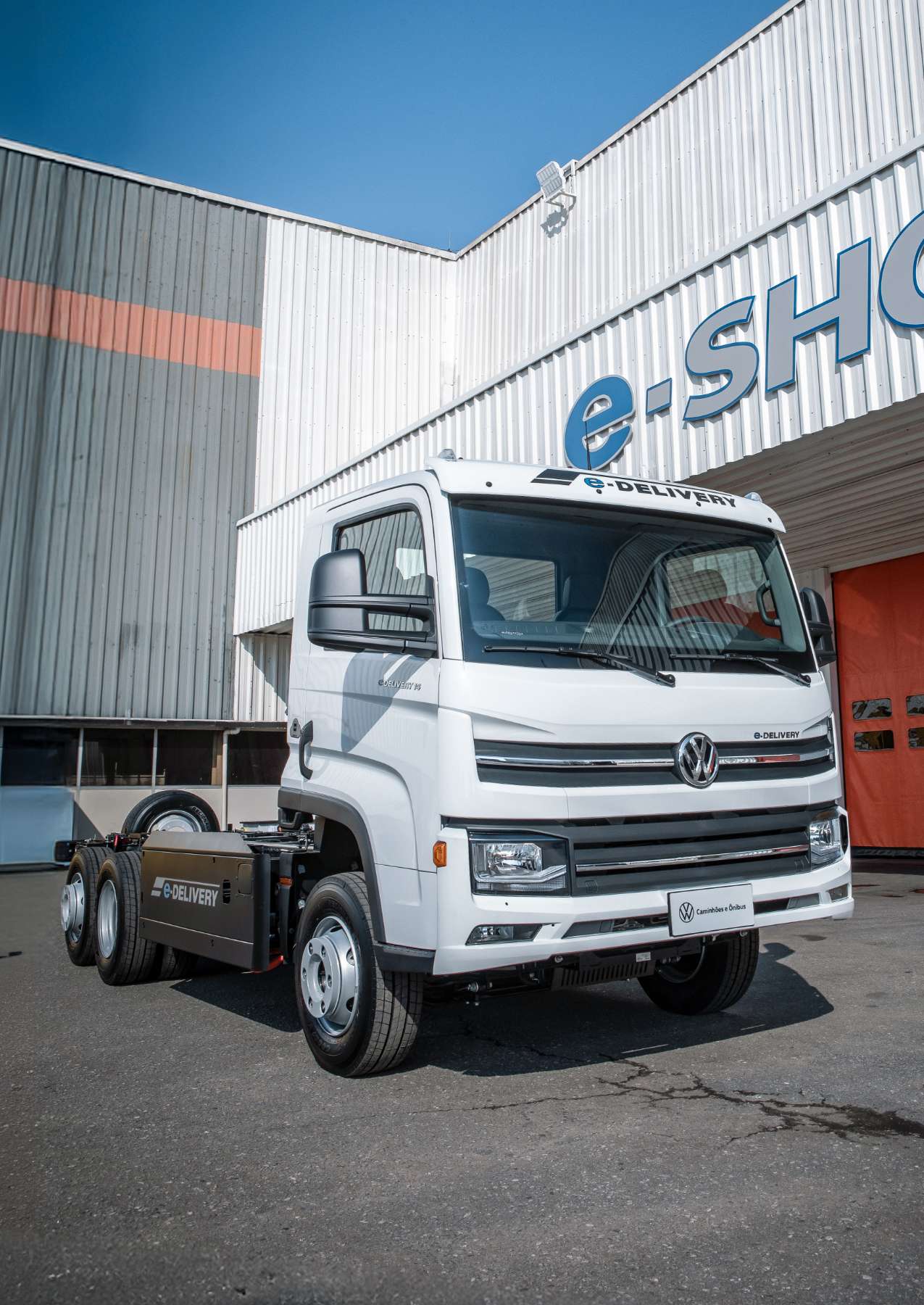
solutions for the batteries used in its vehicles e- Delivery and e-Volksbus. Since the launch
of its e-mobility portfolio, together with the high-voltage battery supplier MOURA, the company
launched a recycling and disposal process in Brazil covering the full dealer network. Whenever necessary,
the battery is properly recycled, with a nationwide system ensuring compliance throughout the lifecycle.